The Cashew Supply Chain: From Farm to Buyer
For a trader, understanding the chain is crucial for quality control and sourcing.
Cultivation & Harvesting: Cashews are typically harvested once a year (February-May in West Africa). The apple and nut detach and fall from the tree when ripe.
Primary Processing (The Critical Step): This involves removing the kernel from the toxic shell. It is a specialized, multi-step process:
Sun Drying: Raw nuts are sun-dried to reduce moisture, which makes the shell brittle and separates the kernel from the inner skin.
Steaming/Roasting: Softens the shell and neutralizes the corrosive cashew nut shell liquid (CNSL), a valuable industrial substance in itself.
Cutting & Shelling: Traditionally done by hand with skilled laborers using mallets. Mechanical shelling is also used but requires precision to avoid breaking kernels.
Peeling: The thin, papery testa (skin) is removed from the kernel, often by hand.
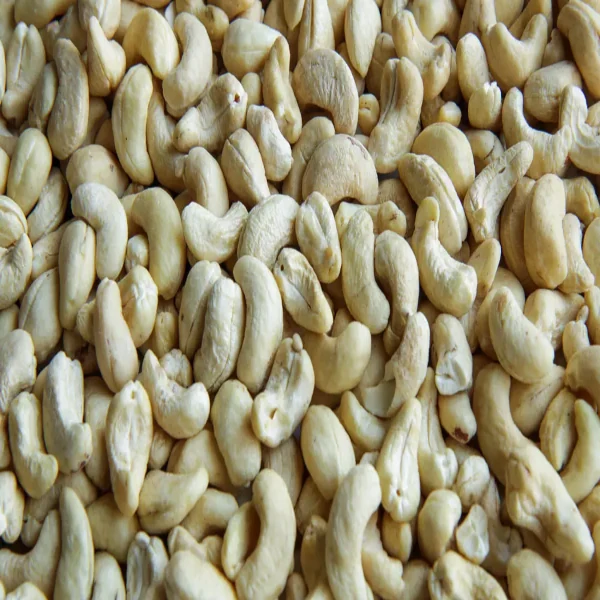
Grading: Kernels are sorted by size, color, and wholeness into standardized grades.
Secondary Processing: This is where value is added for end-market consumers (e.g., roasting, salting, flavoring, packaging).
Export & Distribution: Processed kernels are packaged in vacuum-sealed bags inside cardboard boxes (typically 25 lbs or 11.34 kg boxes) for export to international markets.