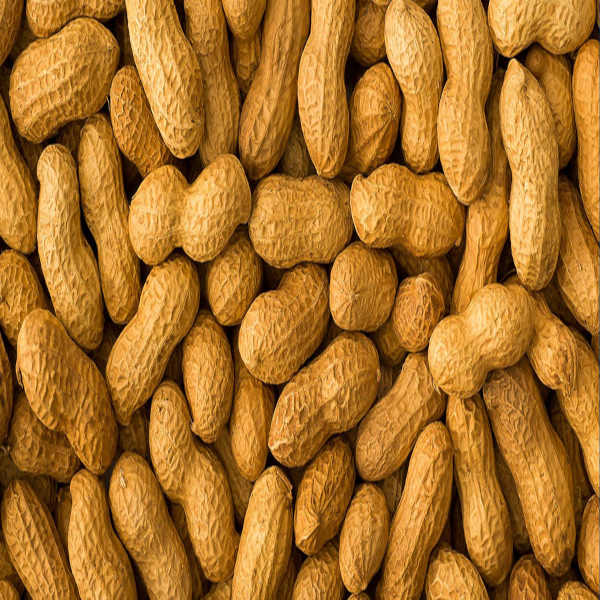
The peanut supply chain is well-established and highly mechanized in major producing regions.
-
Cultivation & Harvesting: Peanuts grow in loose, sandy soil. Harvesting is a two-step process:
-
Digging: A digger loosens the soil and cuts the taproot, lifting the entire plant from the ground.
-
Windrowing: The plants are laid back down in rows (“windrows”) with the peanuts facing up to dry in the sun for several days.
-
-
Threshing: A combine harvester picks up the dried plants, separates the peanuts from the vine, and blows the vines back onto the field as hay.
-
Drying & Curing: The freshly threshed peanuts (now “in-shell” or “unshelled”) have a high moisture content. They are further dried using forced warm air in trailers or bins to reduce moisture to a safe storage level (~10%) to prevent mold and aflatoxin formation.
-
Shelling: The in-shell peanuts are transported to shelling plants. They are cleaned, sized, and passed through shelters that crack the shell without damaging the kernel. The shells are removed by air, and the kernels are sorted by size and quality.
-
Processing & Value Addition: Shelled kernels are then processed into a vast array of products.