The transformation of rice from the field to the plate involves several critical steps that determine its quality, grade, and price.
-
Cultivation & Harvesting: Rice is typically grown in flooded paddies (lowland rice) or on upland fields. Harvesting involves cutting the panicles (straw with the grain) either manually or with combine harvesters.
-
Drying: The harvested rice, known as paddy or rough rice, has a very high moisture content (20-25%). It must be dried immediately to ~12-14% moisture to prevent spoilage, mold growth, and to allow for milling. This is done using sun-drying or mechanical dryers.
-
Milling (The Most Critical Process): This is where the bulk of the value is added. Milling involves removing the inedible outer layers:
-
First Stage: Hulling/Dehusking: The outer husk (chaff) is removed by machines called hullers. This produces brown rice.
-
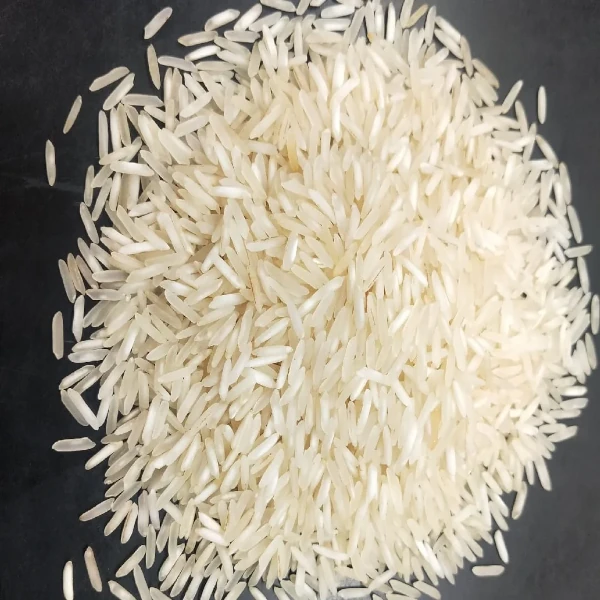
Second Stage: Whitening/Polishing: The bran layer and germ are removed by abrasive whiteners or friction polishers. This produces white rice or milled rice.
-
Sorting & Grading: The milled rice is sorted by size using sieves and by color using optical sorters to remove broken kernels, discolored grains, and impurities.
-
-
Processing & Value Addition: After milling, rice can be further processed:
-
Parboiling: A steam-pressure process applied to paddy rice before milling. It forces nutrients from the bran into the endosperm, resulting in a more nutritious, harder grain that is less prone to breaking during milling. Very popular in Africa and South Asia.
-
Enriching: Adding a coating of vitamins (e.g., B1, B3, iron) lost during milling to the white rice.
-
Pre-cooking: Partially or fully cooking the rice and then dehydrating it for quick preparation (instant rice)
-