he value chain is defined by post-harvest handling and processing, which determines its final use.
-
Cultivation & Harvesting: White corn is a resilient crop grown in diverse agro-ecological zones. Harvesting occurs when the kernels are dry and hard on the cob.
-
Drying: After harvest, the moisture content is still too high for safe storage (~20-25%). It is critical to dry the corn to ~12-13% moisture using sun-drying or mechanical dryers to prevent mold growth and aflatoxin contamination.
-
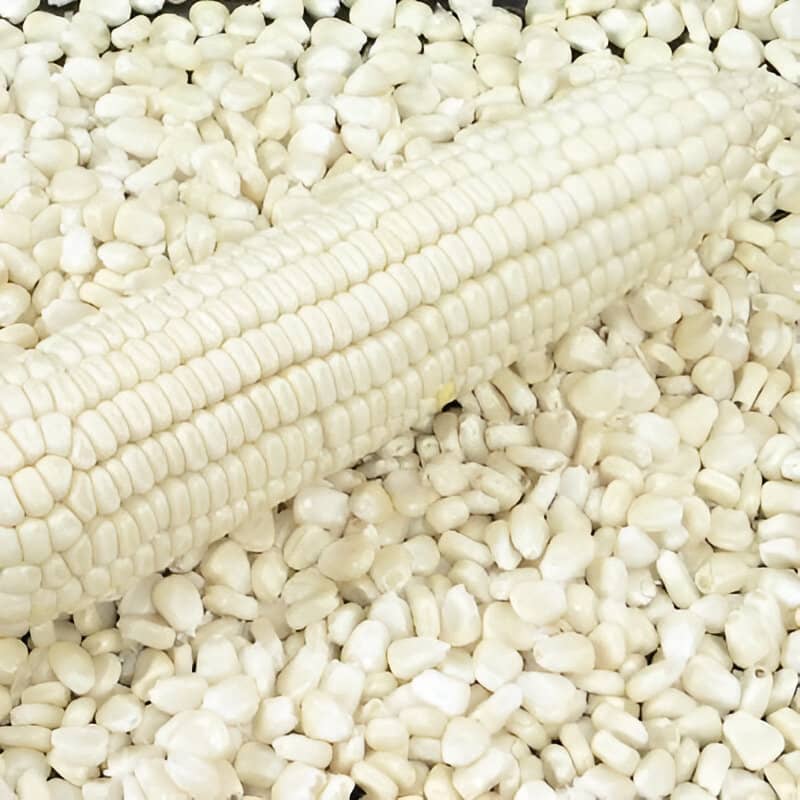
Shelling: The dried corn cobs are passed through a shelter to remove the kernels from the cob. The product at this stage is shelled white corn or white maize grain.
-
Storage & Trading: Shelled white corn is stored in silos, warehouses, or grain bags. This is a key point in the trading cycle, as prices fluctuate significantly with seasonality.
-
Processing & Milling: This is where the bulk of the value addition occurs for human food:
-
Dry Milling: The most common process. The kernels are ground into various fractions:
-
Whole Meal: The entire kernel is ground into a fine powder. This is the most nutritious form, containing the bran and germ.
-
Degermed/Sifted Meal: The bran and germ are partially or fully removed, resulting in a finer, longer-shelf-life flour (e.g., for refined ugali or nsima).
-
Grits: Coarsely ground grains used for porridge, beer brewing, and snacks.
-
-
Wet Milling: An industrial process that soaks the grain to separate its components (starch, germ, fiber, and gluten). This is less common for white corn destined for direct food use and more for yellow corn.
-